How to Buy Property in Portugal: The Complete Guide for International Buyers (Algarve Edition)
If you want to buy property in Vilamoura and Quarteira, this complete Algarve guide explains exactly how to approach the process with clarity and confidence. From defining your objective to evaluating villas, legal requirements, and long-term investment performance, international buyers can make informed, structured decisions when entering the Portuguese property market. Most guides explain what to do. Very few explain how to evaluate whether a property actually deserves to be purchased. That is where costly mistakes happen — and where this guide is different.
Most real estate guides explain what to do. Very few explain how to evaluate whether a property actually deserves to be purchased. That is where costly mistakes happen — and where this guide is different.
For a deeper look at the risks of buying property in the Algarve that foreign buyers often overlook, you may also find this separate guide useful.
 7 Costly Risks that Foreign Buyers Overlook when Buying Property In the Algarve.
 7 Costly Risks that Foreign Buyers Overlook when Buying Property In the Algarve.
Prefer watching? Here is the complete video walkthrough.

Step-by-Step Guide to Buying Property in Vilamoura and Quarteira
Step 1 – Define Your Objective - Why Clarity Matters Before You Buy
Buying property in Portugal is exciting, but international buyers often make mistakes by rushing or mixing goals. If you want to successfully buy property in Vilamoura and Quarteira, clarity must come first: understand whether your focus is a permanent relocation, a second home, or an investment property. Each goal affects location choice, property type, and even legal structuring.
Before viewing properties, define the primary purpose of your purchase.
Three profile buyers:
- Relocation buyers prioritise year-round comfort, infrastructure, and long-term suitability.
- Lifestyle buyers focus on privacy, prestige, and seasonal enjoyment.
- Investors evaluate yield, liquidity, and demand cycles.
Without this clarity, even a good property can become the wrong investment.
For example:
- A villa in Quinta do Lago offers privacy and prestige, but rental income may be seasonal
- A marina-facing property in Vilamoura may deliver exceptional lifestyle appeal but experience seasonal rental fluctuations
- Conversely, a central Quarteira apartment may produce steady rental income while offering less exclusivity.

Pro tip: Create a checklist of your goals, budget, and lifestyle needs. This becomes your decision-making compass throughout the process. Keep it visible during property viewings and negotiations to stay focused.
Step 2 – Obtain a Portuguese Tax Number (NIF)
To buy property in Vilamoura and Quarteira, obtaining a Portuguese tax number (NIF) is mandatory for, opening bank accounts, starting contracts, and paying taxes in Portugal. Non‑residents must obtain a NIF before completing any of these steps. This can be done remotely through a local representative — typically a lawyer, accountant, or authorised agent — who handles the paperwork and liaison with the tax authorities on your behalf.
Local Insight (Including Quarteira):
In the Algarve, there are offices that specialize in NIF services for foreigners, including document certification, translation, and direct interaction with the Portuguese Tax & Customs Authority (Autoridade Tributária). For example, there’s a NIF support service based in Quarteira that assists international buyers with:
- Remote NIF application and representation
- Certified translation and document preparation
- Submitting forms to the tax office on your behalf
- Setting up your Portuguese tax profile for property purchase
Using a local representative (especially one familiar with the Algarve property market and Finance Department processes) can speed up the process and avoid common administrative errors.
Tips Based on Buyer Type:
- Relocators: A NIF also allows you to set up utilities, healthcare numbers, and local services without delays.
- Investors: You’ll need the NIF for legal ownership, rental contracts, tax reporting, and corporate structures (if applicable).
Step 3 – Open a Portuguese Bank Account
A local bank account is essential to manage deposits, purchase funds, and ongoing property costs like utilities, condominium fees, and taxes. While some buyers try to minimize this step by using foreign accounts, it often leads to delays and extra fees.
Extra tip: Choose banks experienced with international clients. Many offer English-speaking staff, online banking, and tools for automatic payments — essential if you live abroad part-time. Also, check if the bank provides a debit card compatible with international payments or the ability to set up multi-currency accounts.
Example: If you plan to rent the property short-term through platforms like Airbnb, a local account ensures rental income is easily managed, avoids transfer fees, and aligns with Portuguese tax reporting requirements.
Step 4 – Decide Ownership Structure Early
Ownership choices in Portugal include personal, joint, or corporate structures. Each option affects tax, inheritance, future resale, and legal liability. Choosing incorrectly can be costly: changing ownership later may involve taxes, bureaucracy, or legal risk.
Example: Investors sometimes prefer a corporate structure for rental properties to optimize taxes and protect personal assets, whereas lifestyle buyers usually purchase personally to simplify inheritance and financing. Early advice from a lawyer familiar with Portuguese property law is crucial.
Practical advice: Consider your long-term plans — if you might inherit or gift the property, or plan multiple purchases, structured ownership protects you from unexpected inheritance taxes and liability. Ask a local lawyer about cross-border tax treaties.
Step 5 – Understand Full Acquisition Costs
Beyond the property price, buyers should budget for:
- Property transfer tax (IMT) (roughly between 6% and 8%)
- Stamp duty (0.8% of the property value, and if you’re using a mortgage, there is typically an additional 0.6% on the loan amount”)
- Notary and legal fees (usually 1-2% of price)
- Ongoing property taxes
In Portugal, transaction costs typically range 8–10% of the purchase price. Failure to account for these upfront can make a property unaffordable or reduce investment returns.
Local insight: In Vilamoura or Quinta do Lago, some luxury developments also charge community or maintenance fees for shared amenities like pools, gyms, and landscaped gardens. Always request the latest financial statement for shared facilities before committing.
Actionable tip: Your acquisition should be measured — not estimated.
Step 6 – Property Selection & Due Diligence
Selecting the right property is where most mistakes happen. Two properties at the same price may appear equivalent. Architecturally and structurally, they may not be remotely comparable.

Renovated villa with coastal protection
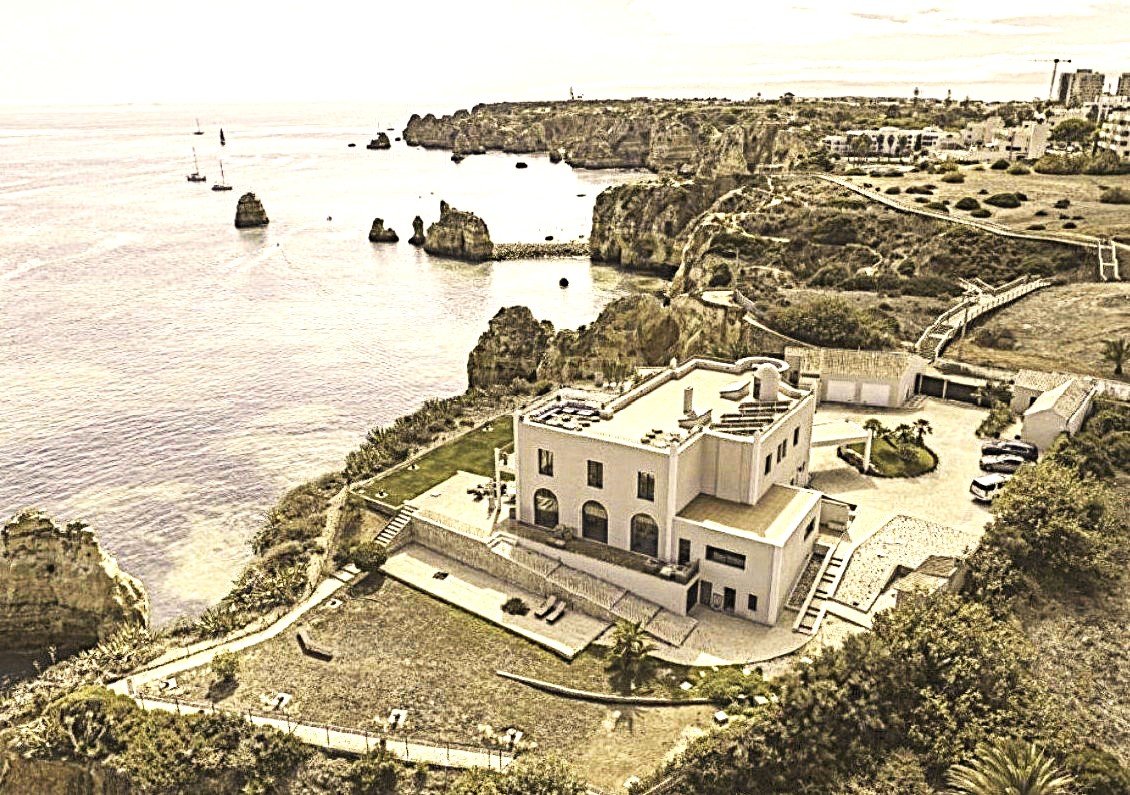
Similar price, high maintenance exposure
Each property should be systematically assessed across:
• Structural integrity
• Regulatory compliance
• Condominium financial health
• Long-term maintenance exposure
Pro tip: Ask about past maintenance, structural reports, and whether the property has coastal corrosion protection. Even small differences affect comfort, cost, and future value.
Extra content: Check water, electrical, and heating systems. Properties near the coast may require anti-corrosion coatings or salt-proof infrastructure. Your engineer or inspector can flag hidden issues that affect both lifestyle and investment returns.
Key Checks:
- Building licence (Licença de Utilização)
- Energy certificate
- Land registry (Conservatória do Registo Predial)
- Outstanding debts
- Condominium financial health
Where International Buyers Most Commonly Lose Money
Most losses are not caused by price.
They are caused by incomplete evaluation.
These patterns are explored in more detail in my guide to the key risks of buying property in the Algarve for foreign buyers.
They are quiet miscalculations made during evaluation.
• Purchasing based on aesthetics rather than long-term performance
• Underestimating coastal maintenance exposure
• Ignoring condominium financial liabilities
• Assuming extensions or renovations are fully licensed
• Overestimating short-term rental potential
Portugal is transparent — but not self-explanatory.
Documentation exists. Interpretation requires experience.
Relocator Priority:
- Noise levels
- Year-round neighbours
- Parking
- Accessibility
Investor Priority:
- Rental license (Alojamento Local eligibility)
- Occupancy history
- Resale comparables
A well-architected purchase process reduces surprises at completion.
Step 7 – Offers, Contracts & Legal Steps
Once a property is selected, buyers make a formal offer, followed by a promissory contract (CPCV), including price, deposit (usually ~10%), and completion conditions.

Contracts are binding, so due diligence is critical.
Extra content: Have a lawyer review:
- Legal status of the property
- Outstanding debts or liens
- Construction permits and licenses
Local insight: In high-demand areas like the Algarve, some properties lack proper licenses for extensions or short-term rentals. Checking these in advance avoids fines and ensures your investment is fully compliant.
Step 8 – Completion & Ownership
Completion occurs at a notary, funds are transferred, the deed is signed, and the property officially becomes yours. With proper preparation, this step is straightforward.
Pro tip: Confirm utilities, insurance, and condominium records before completion. This ensures your property is immediately functional and protects your investment. Consider arranging inspections or energy audits before taking full ownership — this is especially useful for older villas or seaside properties.
To successfully buy property in Vilamoura and Quarteira, the advantage is not speed — it is structure.
The best buyers:
- Think long-term (5–15 years)
- Evaluate beyond aesthetics
- Rely on data, not emotion
- Use local expertise

Structured process → Successful outcome
Frequently Asked Questions About Buying Property in Portugal
Answers to the most common questions international buyers have about Algarve real estate.
Common Mistakes Foreign Buyers Make When Buying Property in Vilamoura and Quarteira
- Rushing decisions
- Focusing only on price
- Assuming Portugal works like home markets
- Relying solely on online listings
Portugal is buyer-friendly — but documentation errors, licensing gaps, and condominium liabilities are not uncommon when buyers rely solely on listings.
Example: Some buyers overpay for coastal properties that appear premium online but require significant maintenance or have rental restrictions.
Tip: Take time, engage local experts, and match property to your goal: relocation comfort vs investment yield.
Who This Approach Is Designed For
This approach is suited to buyers who:
• Are planning a 5–15 year horizon
• Care about long-term performance, not just first impressions
• Prefer measured evaluation over sales urgency
• Want to understand legal, structural, and financial implications before signing
If you are primarily seeking the lowest price or speculative short-term flips, this methodology may not align.
Making Confident Decisions
Buying property in Portugal is achievable if approached with structure, clarity, and local insight. As someone who helps international buyers make informed, long-term decisions, I focus on analytical evaluation, legal guidance, and lifestyle fit—not pushing listings.
“I help overseas buyers make better long-term property decisions — not push listings. If you value structured decision-making over sales pressure, request a private consultation.”
Outline your objectives below. I will respond within 24 hours with a measured, objective evaluation of next steps.
I respond personally to all enquiries within 24 hours.
 I respond personally to all enquiries within 24 hours.
 Your data is handled securely and never shared. Please review my Privacy Policy and Terms & Conditions.